
Fischer’s Declining Health
The ClimbThis flow traces signs of Scott Fischer’s exhaustion and illness, the decisions that keep him on the mountain, and the fatal decline.
increasing Bearing strength in each event
 decreasing
Bearing strength in each eventdecreasingWarnings from Friends

Warnings from Friends
Visible Exhaustion
Lene Gammelgaard sees Scott Fischer repeatedly tired and ill amid a relentless expedition schedule.
Limits Ignored
She urges him to rest, but business, family, and climbing obligations continue to pull him forward.
Repeated Physical Strain
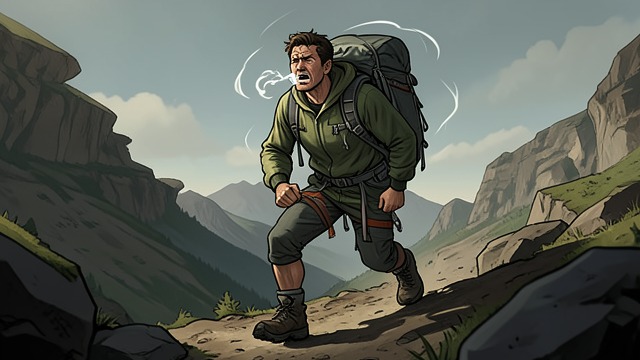
Repeated Physical Strain
Work and Climbing
Scott Fischer handles logistics, climbs between camps, and undertakes additional activity despite fatigue and a cough.
No Clear Recovery
The expedition’s pace gives him little uninterrupted rest before the summit push.
Slow at Altitude
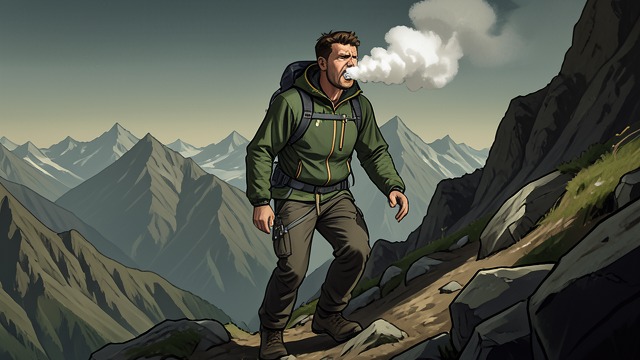
Slow at Altitude
Changed Performance
Henry Todd observes that Scott Fischer is moving unusually slowly and coughing on the approach to Camp III.
Concern Unvoiced
Fischer worries about his clients and the situation but does not clearly withdraw from the summit attempt.
The Summit and Collapse
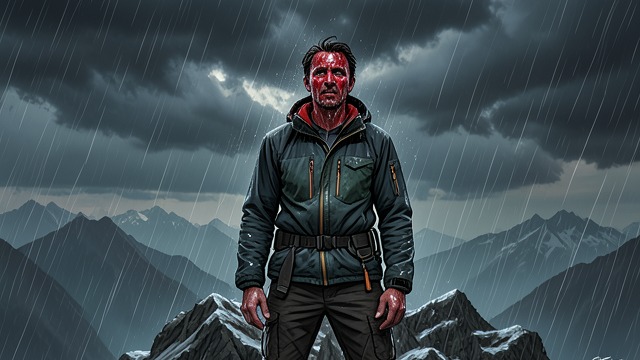
The Summit and Collapse
Late Arrival
Scott Fischer reaches the summit well after the first climbers, already exhausted and operating under severe oxygen and time pressures.
Rapid Decline
During descent he becomes unable to move normally, and the storm prevents a safe evacuation.
Uncertain Cause

Uncertain Cause
Multiple Factors
The account links Fischer’s death to illness, oxygen, timing, weather, communications, and the limited condition of possible helpers.
No Single Explanation
The authors resist reducing his death to a personality flaw, acknowledging that the full causal chain cannot be known with certainty.
winter 1995–96
April 1996
May 7–9, 1996
May 10, 1996, afternoon
after May 1996
